High-Performance Algorithms for Real-Time GPGPU Volumetric Cloud Rendering from an Enhanced Physical-Math Abstraction Approach

by Carlos Jiménez de Parga, PhD.
(cjimeneztau at gmail dot com)


The aim of this thesis is performing a basic framework for real-time volumetric cloud rendering with an optimum balance between realism and performance to be applied in the entry-level graphics industry. The main features that have been achieved are the following:
  • Use of pseudo-spheroids
  • Optimized noise structure
  • Low number of pseudo-spheroids required
  • Improved bounding boxes
  • Improved Gaussian equations
  • L-System fractal cloud generation
  • Metaballs cloud generation
  • Efficient lighting system with anisotropic forward scattering
  • Fast light pre-calculation and occlusions thanks to the NDT algorithm
  • Smooth 3D mesh clouds
  • GPGPU cloud dynamics and morphing by using CUDA parallel programming
The NIMBUS C++ framework was implemented in Visual C++ 2017 with CUDA SDK 9.2 version using OpenGL 4.5 through Freeglut, Glew and GLSL. You can download the whole project below:

Download NIMBUS framework complete project (64-bit) (GitHub version) (v1.0 Last revision: 1/1/2025)

Download NIMBUS framework complete project (64-bit) (v1.0 Last revision 1/1/2025)

Click here for complete API documentation

Warning: Read (comment/uncomment) Defines.h header file for configuration.

The bechmarked graphics card were:
  • nVidia GT 1030 → (Max. mean: 70 FPS at 800 × 600)
  • nVidia GTX 1050 (non-Ti) → (Max. mean: 53.7 FPS at 1024 × 768)
  • nVidia GTX 1070 (non-Ti) → (Max. mean: 122.5 FPS at 1400 × 700)
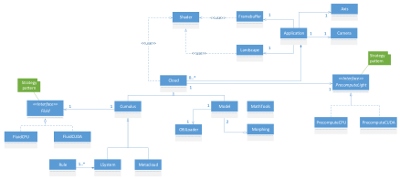
The NIMBUS UML 2.x class diagram can be download by clicking on the image below: 


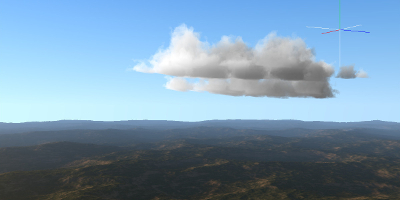
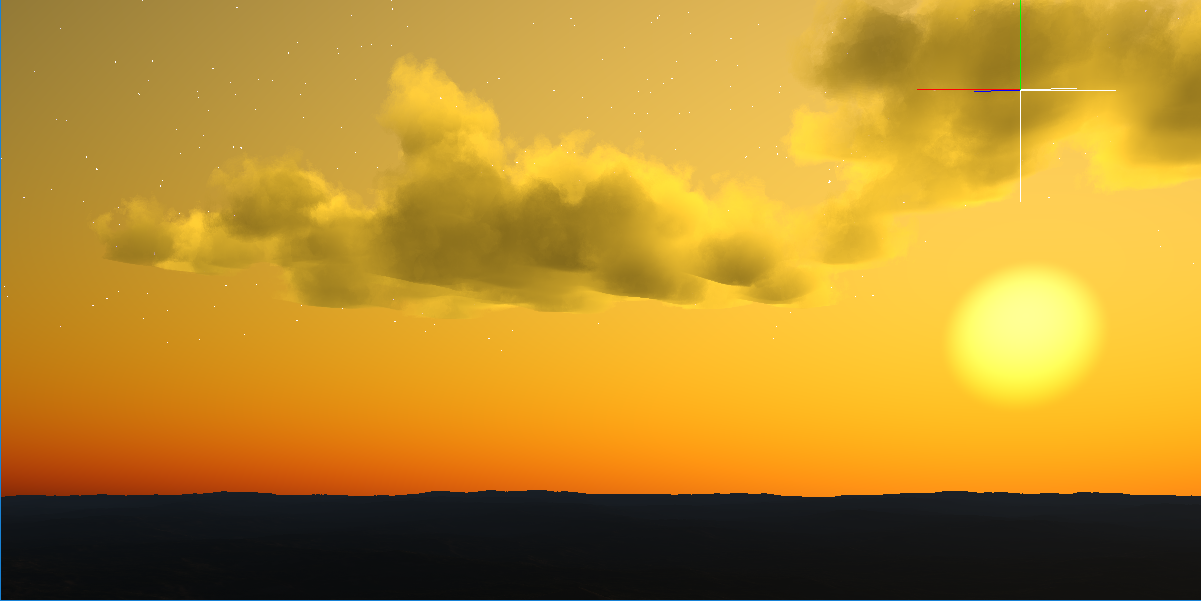
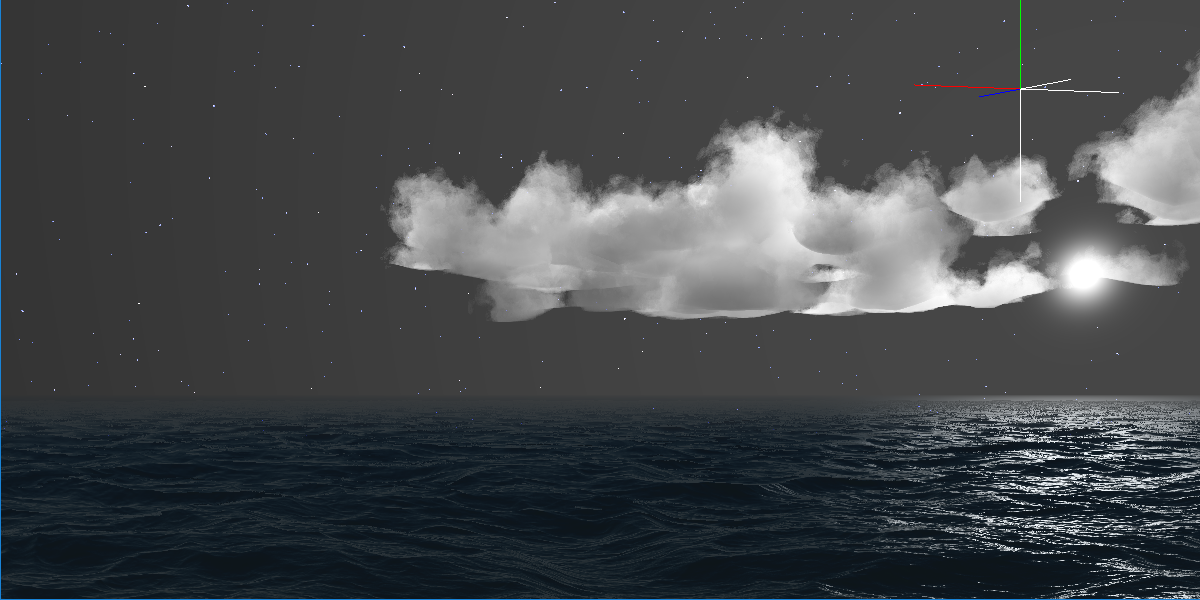
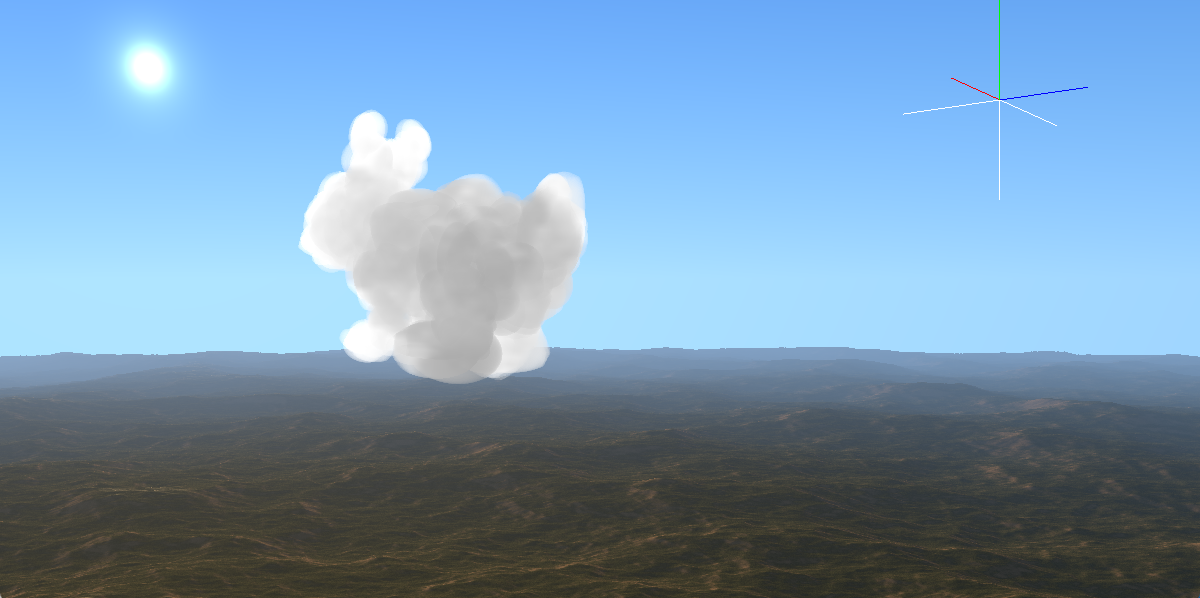
Screenshots

Click here to view more screenshots

Other downloads:

Thesis dissertation

Thesis document at TESEO

Related research paper at Symmetry Journal

Related research paper at Journal of Applied Computer Science & Mathematics

Related research paper at Mathematics Journal

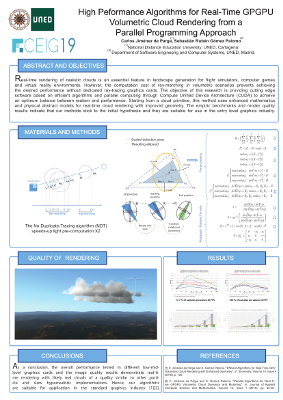
CEIG 2019 conference

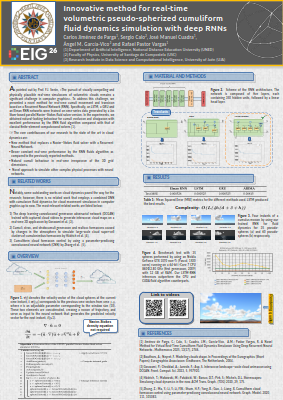
CEIG 2026 conference

Poster at CEIG 2019 

Poster at CEIG 2026 

Computer Graphics top expert visual assessment 

3D OBJ sample meshes 


Website created on 21-06-2020 / updated on 23-05-2026